


Solo & nomad travel in 2026
Going alone is now the default, not the exception. With international travel past its pre-pandemic peak, more than 1.5 billion trips in 2026, solo travelers and remote workers make up a larger share of arrivals than ever, and the infrastructure has caught up: hostels with private rooms, coworking cafés on every block, and dozens of countries now issuing dedicated digital-nomad visas.
The economics favor the solo nomad in 2026. A strong US dollar and a historically weak Japanese yen mean places that were already cheap are cheaper still, and a comfortable month of rent, food, and coworking runs from under $800 in parts of Southeast Asia to around $2,500 in pricier European hubs. Our budget destinations guide and cheapest-countries ranking map the cost story in full.
The paperwork has finally matured. Spain, Portugal, Thailand, Indonesia, and others now run formal nomad visas that turn a 30-day stamp into a multi-month base, though they come with income thresholds and tax wrinkles worth reading before you commit. The UK's ETA is required now. The EU's ETIAS is not in operation as of August 2026; confirm on the official ETIAS site.
The real divide for nomads is the clock, not the map. If your team or clients sit in New York or London, a city eight to thirteen hours ahead means your workday starts at dusk. We flag timezone overlap on every card because it decides more about a remote-work month than wifi speed ever will.
For first-time solo travel with zero stress, Japan and Portugal are the safest, easiest starts. For nomad value, Thailand (Chiang Mai), Vietnam, and Indonesia (Bali) lead on cost and community. For a Western-clock base, Mexico City, Medellín, and Lisbon win on timezone overlap.
How we scored each city
Every card below is rated on the six things that actually decide a good solo or nomad month, not generic sightseeing. We weight safety highest, because it gates everything else for a traveler arriving alone. We travel solo ourselves, so these are the six checks we actually run before recommending a base, not a generic sightseeing scorecard.
- Safety, including solo-female: drawn from the Global Peace Index, government advisories (US State Department, UK FCDO, Australia's Smartraveller), and the petty-crime reality on the ground, not just the headline ranking.
- Wifi & coworking: real fixed-line and mobile speeds plus the depth of the coworking and café scene you can actually work from.
- Nomad-visa availability: whether a formal long-stay or digital-nomad visa exists in 2026, and roughly what it asks of you.
- Monthly cost of living: a realistic solo nomad month, private room or studio, food, local transit, and a coworking pass, per person, ex-flights.
- Social scene: how easy it is to meet other travelers and locals, the size of the existing nomad community, and the hostel/meetup culture.
- Timezone overlap: how the local clock lines up with US Eastern and Central European work hours, the single biggest factor for remote workers.
Wifi gets a city onto the list. Safety and the clock decide whether you actually stay.
Asia & the Pacific
Asia is the heartland of nomad travel for one reason: the cost-to-quality gap. A polished, social, well-connected month here costs a fraction of Europe, the trade-off is a clock that runs roughly eleven to thirteen hours ahead of US offices.
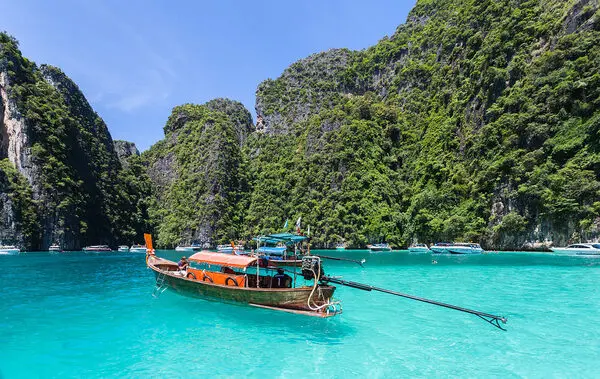
Chiang Mai, Thailand
From ~$900/mo all-in · best Nov–Feb (cool, dry)
The original nomad capital still leads on the fundamentals: dirt-cheap rent, fast fiber, dozens of coworking spaces and laptop cafés, and the densest community of remote workers anywhere. Thailand's Destination Thailand Visa (DTV) now allows long multi-entry stays for remote workers, which formalizes what nomads were already doing. It's safe and exceptionally easy for first-timers and solo-female travelers, with an instant social on-ramp through meetups and co-living. The only real friction is the burning season (Mar–Apr), leave for the islands or the north's higher towns then.

Bali (Canggu & Ubud), Indonesia
From ~$1,000/mo all-in · best Apr–Oct (dry)
Canggu and Ubud run on remote work, co-living villas, beach-club desks, wellness routines, and a meetup almost every night make solo arrival effortless. Indonesia's E33G remote-worker visa now grants up to a year for those earning from abroad, and the cost of a comfortable month stays low if you skip the priciest villas. Wifi is good in coworking spaces but patchy in cheap rentals, so buy a coworking pass. It's safe and welcoming; rent a scooter cautiously, as traffic is the real hazard, and the dry season (Apr–Oct) is the time to commit to a long stay.
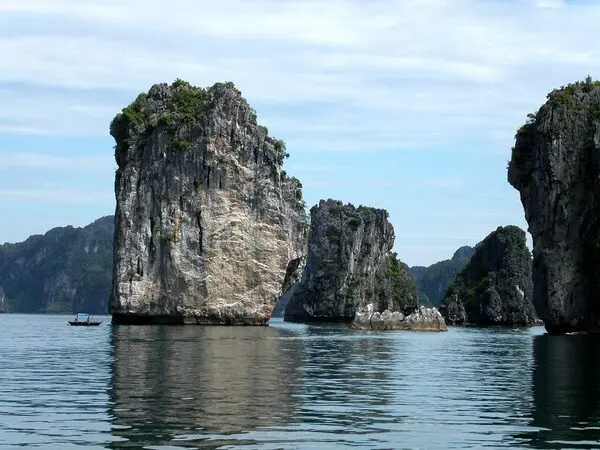
Da Nang & Hoi An, Vietnam
From ~$750/mo all-in · best Feb–May
Vietnam is the value champion: a beachfront month in Da Nang, with fast fiber and a growing café-and-coworking scene, can land under $800 all-in, with some of the best street food on earth thrown in. Hoi An's old town sits 30 minutes away for weekends. The visa is the catch, Vietnam offers a 90-day e-visa rather than a true nomad visa, so long-termers run border hops or renewals. It's safe and increasingly social as the nomad crowd grows, though the community is smaller than Thailand's or Bali's.

Tokyo & Fukuoka, Japan
From ~$1,900/mo all-in · best Mar–May & Oct–Nov
Japan is the safest place on this list to land alone, near-zero street crime, immaculate public transit, and a solo-dining culture that makes eating out by yourself completely normal. The weak yen has turned a long stay from a splurge into reasonable value, and Japan's six-month digital-nomad visa (for higher earners from eligible countries) now makes basing here viable. Wifi is world-class. Fukuoka is the quieter, cheaper alternative to Tokyo. The trade-offs are a smaller built-in nomad social scene and a clock far from Western offices.
Europe & the Atlantic
Europe trades the rock-bottom prices of Asia for a workable timezone, deep coworking infrastructure, and some of the safest cities in the world. These four are the strongest bases for nomads who want a European clock and a long weekend in three other countries.
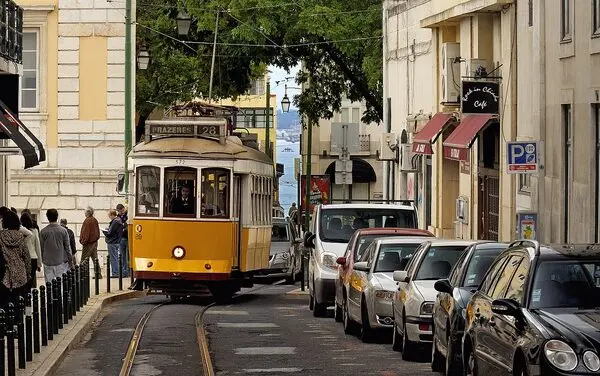
Lisbon & Madeira, Portugal
From ~$2,000/mo all-in · best Apr–Jun & Sep–Oct
Portugal is the default European nomad hub for good reason: Lisbon's coworking scene is enormous, English is everywhere, it's one of the safest countries in Europe, and the D8 digital-nomad visa offers a clear path to a long stay. Madeira even runs a dedicated nomad village. The Atlantic timezone (UTC+0/+1) overlaps the US East Coast in the afternoon and all of Europe, the best of both. Costs have risen with popularity, so Lisbon is no longer cheap; Madeira and Porto stretch the budget further. Avoid committing in peak August.

Barcelona & Valencia, Spain
From ~$2,200/mo all-in · best Apr–Jun & Sep
Spain pairs a serious nomad visa, up to five years for remote workers, with a notable tax break for new arrivals, with beach, culture, and a late-night social rhythm that makes meeting people easy. Valencia is the smarter base than Barcelona in 2026: cheaper, calmer, equally connected, and on the sea. Wifi and coworking are excellent, it's safe (watch pickpockets in tourist Barcelona), and the Central European clock overlaps Europe fully and the US East Coast late afternoon. Skip the interior in peak summer heat.
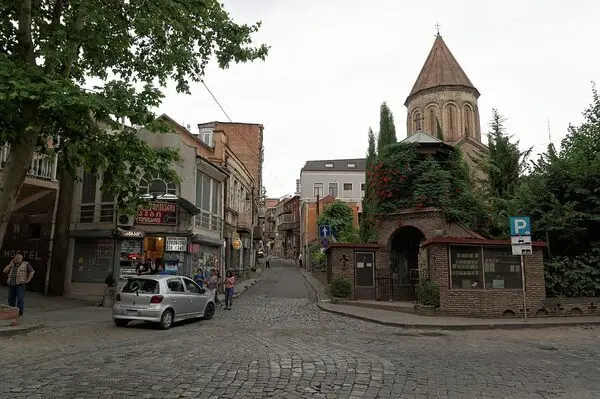
Tbilisi, Georgia
From ~$1,100/mo all-in · best May–Jun & Sep–Oct
Georgia is Europe's value secret for nomads: citizens of most Western countries can stay visa-free for a full year, no application required, and a comfortable month in characterful Tbilisi runs barely over $1,000. Wifi is solid, the coworking scene is small but real, and the food and wine punch far above the price. The growing expat-nomad community keeps it social. It's broadly safe and friendly for solo travelers, including solo-female; check your government's advisory regarding the breakaway regions before any travel near them.

Tallinn, Estonia
From ~$1,700/mo all-in · best May–Sep
Estonia practically invented the bureaucratic side of nomad life: it launched one of the world's first digital-nomad visas, and its e-Residency program lets you run an EU company entirely online. Tallinn is among the safest capitals in Europe, with fast wifi everywhere and a compact, walkable medieval core. The nomad scene is smaller and the long winter is genuinely dark, so May–September is the window. The Eastern European clock overlaps all of Europe and the US East Coast late in the day.

Istanbul, Türkiye
From ~$1,200/mo all-in · best Apr–May & Sep–Oct
Istanbul straddles two continents and two markets, a weak lira keeps a vibrant, culture-rich month affordable, and the clock bridges European mornings and Asian afternoons better than almost anywhere. The coworking scene is concentrated on the European side (Kadıköy and Beyoğlu), wifi is good, and the city never lacks for things to do alone. Türkiye offers a short-term residence permit route rather than a dedicated nomad visa. It's broadly safe; solo-female travelers report the usual big-city street awareness applies, especially at night.
The Americas
For North American nomads, the Americas win on the one thing Asia and Europe can't match: a near-perfect timezone overlap with US offices. These five let you keep a normal workday, a short flight home, and, mostly, a low cost of living.
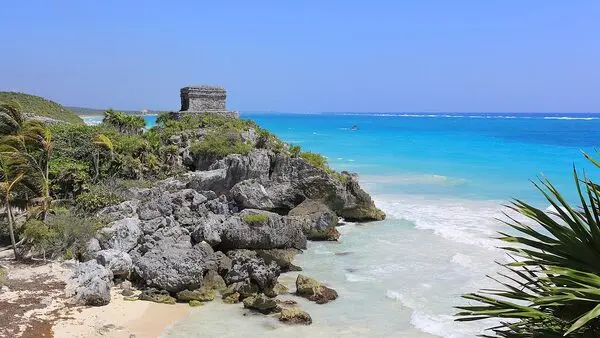
Mexico City, Mexico
From ~$1,500/mo all-in · best Mar–May & Oct–Nov
Mexico City is the standout for North American remote workers: it sits on US Central time, so your workday is everyone else's, and a short flight gets you home. Roma and Condesa are leafy, café-dense neighborhoods made for laptops, the coworking scene is excellent, and the food and culture are world-class. Mexico's temporary-resident visa suits longer stays. It's a huge city, so apply normal big-city awareness, stick to the central, well-lit neighborhoods, especially solo at night, and the experience is overwhelmingly positive.
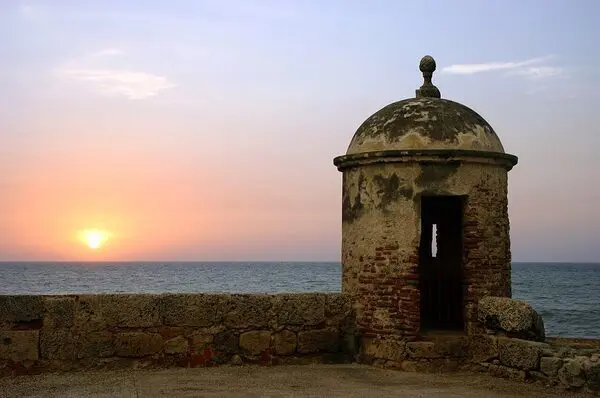
Medellín, Colombia
From ~$1,200/mo all-in · best Dec–Mar
The "City of Eternal Spring" has become a nomad magnet: spring-like weather year-round, a low cost of living, fast wifi, and a dense community clustered in El Poblado and Laureles. Colombia now issues a dedicated digital-nomad visa for remote earners, and the US East Coast clock means a normal workday. The social scene is one of the most active anywhere. Safety has improved markedly but still demands street smarts, "no dar papaya" (don't flash valuables), use registered rides at night, and avoid the apps-and-drinks scams aimed at solo travelers.

Buenos Aires, Argentina
From ~$1,300/mo all-in · best Sep–Nov & Mar–May
Buenos Aires offers a European-feeling metropolis at South American prices, grand architecture, a legendary café culture perfect for working, and nightlife that runs till dawn. Argentina launched a digital-nomad visa, and currency swings have generally favored visitors spending dollars. Wifi is reliable in the city, and the clock overlaps US Eastern in the morning and Europe in the early evening. It's a walkable, social city; ordinary big-city awareness covers most of the risk, and Palermo is the natural nomad base.
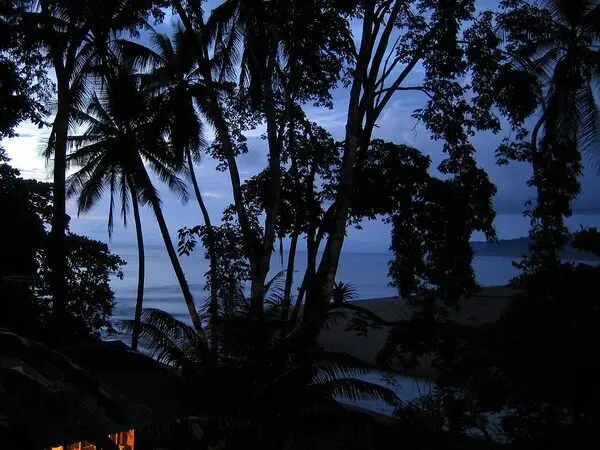
San José & Tamarindo, Costa Rica
From ~$1,700/mo all-in · best Dec–Apr (dry)
Costa Rica pairs Latin America's reputation for safety and stability with a formal digital-nomad visa and a beach-town nomad scene around Tamarindo and Nosara on the Pacific. It's pricier than its neighbors and wifi outside the towns can wobble, but for a solo traveler who wants nature, surf, and low stress on US Central time, it's the easy pick. The Pure Vida pace is real, the dry season (Dec–Apr) is the time to base here, and it's one of the most comfortable Latin American debuts for solo-female travelers.

Mérida, Mexico
From ~$1,200/mo all-in · best Nov–Mar
Mérida is regularly cited among the safest cities in the Americas, which makes it a standout for first-time and solo-female travelers who want Mexico without big-city wariness. The Yucatán capital is colonial, walkable, and warm year-round, with cenotes and beaches nearby and the same US Central clock as Mexico City. The nomad scene is smaller and growing, wifi is solid in the center, and the same temporary-resident visa applies. It gets genuinely hot from April, so the November–March window is the comfortable base period.
Quick comparison table
| City | Region | Per month | Nomad visa | Timezone | Solo-safety |
|---|---|---|---|---|---|
| Chiang Mai | Asia | ~$900 | DTV | UTC+7 | High |
| Bali | Asia | ~$1,000 | E33G | UTC+8 | High |
| Da Nang | Asia | ~$750 | 90-day e-visa | UTC+7 | High |
| Tokyo | Asia | ~$1,900 | 6-mo nomad | UTC+9 | Very high |
| Lisbon | Europe | ~$2,000 | D8 visa | UTC+0/+1 | Very high |
| Valencia | Europe | ~$2,200 | 5-yr nomad | UTC+1 | High |
| Tbilisi | Europe | ~$1,100 | 1-yr visa-free | UTC+4 | High |
| Tallinn | Europe | ~$1,700 | Nomad visa | UTC+2 | Very high |
| Istanbul | Europe | ~$1,200 | Residence permit | UTC+3 | Moderate |
| Mexico City | Americas | ~$1,500 | Temp resident | UTC−6 | Moderate |
| Medellín | Americas | ~$1,200 | Nomad visa | UTC−5 | Moderate |
| Buenos Aires | Americas | ~$1,300 | Nomad visa | UTC−3 | High |
| Costa Rica | Americas | ~$1,700 | Nomad visa | UTC−6 | High |
| Mérida | Americas | ~$1,200 | Temp resident | UTC−6 | Very high |
Solo-female safety in 2026
Solo-female safety is the question we get asked more than any other, and it deserves a straight answer: the great majority of solo-female trips pass without incident, and the destinations on this list are chosen partly because they're well-trodden by women traveling alone. But "safe" is not one number, it's the gap between petty annoyance and genuine risk, and it varies by city, neighborhood, and time of day.
On this list, Japan, Portugal, Estonia, and Mérida stand out as the most comfortable for first-time solo-female travel, low street crime, easy public transit, and a culture where a woman dining or moving alone draws no attention. The Latin American hubs reward a little more street awareness: stick to central, well-lit neighborhoods, use registered or app-based rides after dark, and don't broadcast valuables. None of this is unique to women, but the cost of a lapse can be higher.
- Pick a city with an established solo-female community, hostels, women's travel groups, and meetups give an instant network
- Book the first two or three nights somewhere well-reviewed and central, then move once you know the ground
- Share your itinerary with someone at home and keep a local eSIM so you're never offline
- Trust the data and the gut: check your government's advisory, then check how the streets actually feel
- A high overall safety ranking can still hide a single neighborhood or a late-night route you should avoid
- Skipping basic precautions because a place "feels safe" is how the rare incidents happen
- Cheapest accommodation in a far-flung district can cost you in late-night transit risk and isolation
For a confident first solo trip, start with the very high safety tier, Japan, Portugal, Estonia, or Mérida, then graduate to the Latin American hubs once your street instincts are sharp. Always cross-check our safest-countries ranking against your own government's official advisory for your exact destination before you book.
The safest trip isn't the one with the highest ranking, it's the one where you stayed alert anyway.
Frequently asked questions
For a first solo trip with the least friction, Japan and Portugal are the strongest picks. Japan has near-zero street crime, flawless public transit, and a normalized solo-dining culture; Portugal is one of Europe's safest countries, English is widely spoken, and Lisbon has a huge community of other solo travelers and nomads. Mérida in Mexico and Tallinn in Estonia are excellent step-down options that pair high safety with a lower cost of living.
Many now do. On this list alone, Thailand (the DTV), Indonesia (E33G remote-worker visa), Japan (a six-month nomad visa for higher earners), Portugal (D8), Spain (up to five years), Estonia, Colombia, Argentina, and Costa Rica all run formal nomad or remote-worker visas. Most require proof of income from outside the country and may carry tax implications for longer stays. Vietnam and Georgia don't have a dedicated nomad visa but allow long stays via a 90-day e-visa and a one-year visa-free entry respectively. Confirm the current rules and income thresholds in our visa and entry guide before you commit.
It ranges widely. A comfortable solo month, private room or studio, food, local transit, and a coworking pass, runs from around $750–$1,000 in Southeast Asian hubs like Da Nang, Chiang Mai, and Bali, roughly $1,100–$1,700 in value spots like Tbilisi, Medellín, and Mérida, and $2,000–$2,200+ in pricier European bases like Lisbon and Valencia. These are mid-range, per-person figures excluding flights; living frugally or splurging can move them a long way. See our trip budget guide to model your own.
For the destinations on this list, yes, the vast majority of solo-female trips pass without incident, and these cities are chosen partly because they're well-trodden by women traveling alone. Japan, Portugal, Estonia, and Mérida are the most comfortable starting points, with very low street crime and easy transit. The Latin American hubs reward more street awareness: stay in central, well-lit neighborhoods, use registered or app rides after dark, and don't flash valuables. "Safe" varies by city and time of day, so always cross-check our safest-countries ranking against your government's official advisory.
For US offices, the Americas win outright: Mexico City, Mérida, and Costa Rica sit on US Central time, while Medellín and Buenos Aires overlap the US East Coast through the workday. For European offices, Lisbon (UTC+0/+1) and the Central European bases like Valencia and Tallinn line up fully, and Lisbon also catches the US afternoon. Asian hubs like Chiang Mai, Bali, and Tokyo run roughly eleven to thirteen hours ahead of US offices, which means an evening or night workday, fine for async work, hard for live meetings.
The best solo or nomad base in 2026 falls out of three constraints in order: your safety comfort level, your monthly budget, and your working clock. Asia wins on cost, the Americas on US-timezone overlap, and Europe on a balance of both with top-tier safety. Lock those three, confirm the visa rules, and book the flight early.