


How scams actually work
Start with the structure, because it makes every individual trick predictable. Street scams are rarely one person improvising. They run in teams, usually three to five people with fixed jobs: a hook who makes contact, a distraction who occupies your hands and eyes, a lift who takes the wallet or phone, and a hand-off who walks it away in seconds so a search of the person you accuse turns up nothing. The friendly stranger is not the threat. The threat is the person you never noticed.
The second thing worth knowing is what they select for. Scammers read the same signals a pickpocket does: a phone held loosely in one hand, a bag worn on the back, a wallet in a rear pocket, and above all a traveler who is lost, staring at a map, or too polite to be rude to a stranger. That last one does the heaviest lifting. Most of these plays work only because the target does not want to seem cold. The most effective defense in this guide is permission to be curt with people who approach you first.
None of this means a destination is dangerous. The countries on our safest-countries ranking still run petition crews around their headline monuments, because tourist volume, not violent crime, is what feeds street scams. The good news is that the toolkit is short. Learn six patterns, keep your valuables split and covered, and you defuse the overwhelming majority of what you will ever meet. It is the rare travel skill where a little healthy cynicism pays off, and teaching it is the part of this beat we enjoy most.
Almost every scam is a team play built to make you feel rushed, guilty, or too polite to walk off. Keep your phone and wallet secured and out of sight, never let a stranger who approached you touch you or your bag, and treat any manufactured urgency as the tell itself. Split your cash and cards across two places so a single loss never strands you.
The transport play: taxis and rides
The taxi overcharge is the most widespread scam on the planet, and it works because you are tired, unfamiliar with the route, and often standing at an airport with luggage and no leverage. It shows up in four reliable variants.
- The broken meter. The driver claims the meter is out and quotes a flat rate, always several times the metered fare. If a meter is genuinely broken, so is the taxi; the quote is the scam.
- The scenic route. The meter runs honestly while the driver adds loops and detours a local would never take. Airport-to-center runs are the classic target.
- The note switch. You hand over a large bill; the driver palms it and produces a smaller one, insisting you underpaid. This moves fast and relies on you not watching your own money.
- The airport shark. A driver approaches you inside the terminal offering a ride. Licensed taxis wait at a marked rank and do not solicit; anyone working the arrivals hall is fishing.
If a driver tells you the meter is broken, the ride is the scam. Licensed taxis do not solicit you in the arrivals hall.
The card play: ATMs and skimmers
This is the family with the longest tail, because the loss often arrives weeks later as fraudulent charges rather than on the spot. Two mechanisms cover most of it: a physical skimmer plus hidden camera that copies your card and PIN, and a friendly bystander who offers to help you and reads your PIN or nudges you toward a rigged machine.
- Standalone street ATMs in tourist zones are the prime target for skimmers, especially the generic-brand machines in convenience stores and station concourses rather than bank-branded ones.
- The dynamic-currency-conversion trap is legal but engineered against you: the machine offers to bill in your home currency at a padded exchange rate. Always choose to be charged in the local currency.
- The helpful stranger who steps in when your card is 'stuck' or offers to reduce a fee is running a distraction or a skim. No stranger has a reason to stand at your shoulder at an ATM.
The distraction crew
This is the broadest family and the one that funds the others, because the real goal is almost never the thing in front of you. It is your bag while you look away. The props vary by city but the mechanics are identical: someone manufactures a reason for your hands and attention to leave your valuables for three to five seconds.
The classics you will actually meet
- The petition. A young person, often with a clipboard and a deaf-charity story, presses a form on you at a monument. While you read, the board hides an accomplice's hand at your bag. The petition is fake and the charity does not exist.
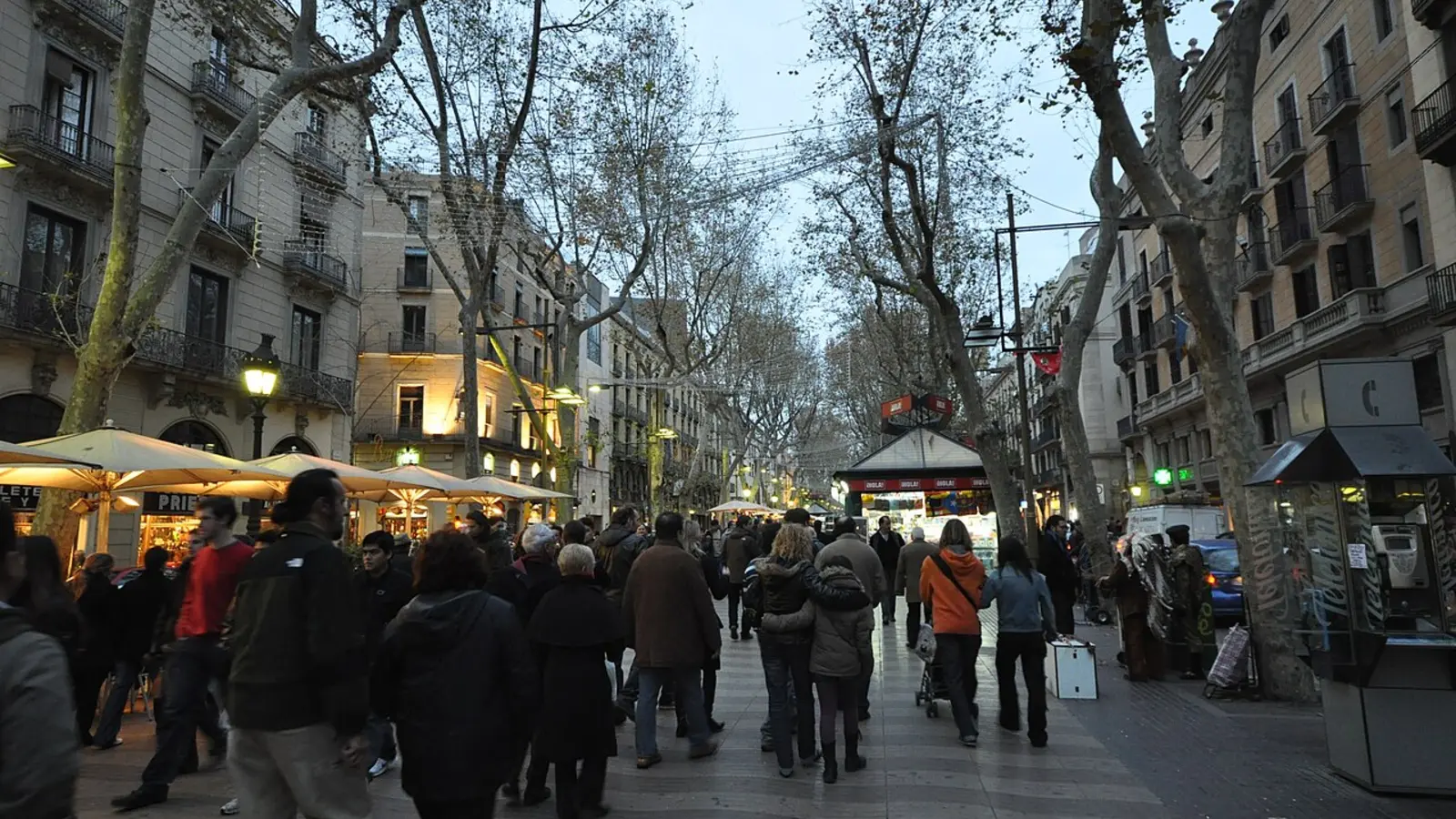
- The friendship bracelet or sprig of rosemary. A vendor loops a bracelet onto your wrist or presses herbs into your hand 'for free,' then demands payment you cannot easily refuse while an accomplice works your pockets. Common around Sacré-Cœur in Paris and Las Ramblas in Barcelona.
- The spill. Someone spills a drink, ice cream, or fake bird droppings on you, then helps you clean up, patting you down for your wallet as they dab. If a stranger suddenly wants to touch your clothing, your hand should already be on your bag.
- The dropped ring or wallet. A stranger 'finds' a gold ring or a full wallet at your feet and offers to split it or hand it over, the opening move in either a payout demand or a distraction lift.
Fake police and the wallet drop
This family is scarier in the moment because it weaponizes your instinct to comply with authority, and it is worth rehearsing precisely because fear makes people hand over things they never would otherwise. The US State Department describes the core version plainly: someone drops a wallet, gets you to pick it up or hold it, then 'officers' appear claiming it holds contraband or cash and demand a fine or a look at your own wallet to clear you. Real police do not work this way.
- The fake cop. A stranger first offers you something illicit or asks to change money; moments later a 'plainclothes officer' appears demanding your passport and wallet to check for counterfeit notes or drugs. The two are working together.
- The wallet drop. A wallet or roll of cash falls near you. Picking it up is the trap, either an accomplice claims you stole it, or a fake official materializes with an accusation and a price to make it disappear.
- The knock-off ID. Genuine police carry credentials and will let you verify them at a station. A demand for cash on the street, or to hold your wallet or passport, is the giveaway every time.
A real officer will walk you to the station. A fake one will not. Offering to go is the fastest way to end the encounter.
Fake tickets and queue-jumpers
This family has grown as major sights moved to timed entry, because a sold-out slot creates exactly the desperation a scalper needs. The variants run from outright forgery to a legal-but-ugly markup, and in 2026 they increasingly start on your phone before you ever reach the gate.
- Forged or resold entry tickets sold by touts outside the attraction. In early 2026, French authorities reported arrests over a long-running fake-ticket racket tied to the Louvre, a reminder that even famous sites attract organized forgery; treat the figures in that case as reported rather than confirmed.
- The 'skip the line' upsell. A hawker offers to sell you a genuine ticket at a steep markup, or a worthless 'fast pass' to a queue that does not exist. Many sights have no paid line-skip at all.
- Clone booking sites. Search-ad and lookalike pages sell 'official' tickets, tours, or attraction passes that are overpriced, invalid, or never arrive. This has become the fastest-growing corner of the family.
- Fake tour desks and 'closed today' guides. A helpful stranger tells you the site is shut and steers you to a paid tour or a shop that pays them commission.
Overcharging and the padded bill
The quietest family, and the one that separates travelers from the most money in aggregate, because each hit is small enough to shrug off. It thrives wherever a price is not posted and you are assumed to be leaving town tomorrow. Southeast Asia's markets and tourist strips are a frequent setting, though the pattern is universal, and our Thailand guide covers the local rhythm in more detail.
- The menu with no prices, or a 'tourist menu' priced several times the local one. The bill arrives with items you did not order or a 'service' and 'cover' charge stacked on top.
- The unweighed market sale, where produce, spices, or souvenirs are quoted by a unit that shifts once you have committed, or the scale is rigged.
- The short-change, a genuine favorite of bars and street stalls, where your change comes back slow and light, betting you will not count it in front of them.
- The 'free' extra, the welcome drink, the appetizer you did not ask for, the henna or shoe-shine started before you agreed, all of which appear on the bill.
Quick rules that cover most of it
You will not remember six scam families at a plaza entrance, so carry these instead. They are the common denominator underneath every trick above, and following them defuses scams you have never even heard of.
- Split cash and cards across two places, so one loss never strands you
- Wear your bag across your front and keep your phone out of loose outer pockets in crowds
- Treat anyone who approaches you first with polite suspicion; the favor is usually the setup
- Use ride-hailing apps and bank-branch ATMs to remove the two most common openings
- Keep a photo and a printed copy of your passport, and carry a backup card stored apart
- Don't let a stranger touch you, your bag, or your card, no matter how friendly the reason
- Don't hand your wallet, passport, or PIN to anyone on the street, including 'police'
- Don't buy tickets from touts or hold a stranger's 'dropped' wallet or ring
- Don't accept 'free' bracelets, herbs, drinks, or shoe-shines, they are never free
What to do if you get hit
Even careful travelers get caught eventually, and the response matters more than the mistake. Move in order: safety, then money, then paperwork.
- Freeze the cards first. If a card or PIN was exposed, lock it in your banking app before anything else, minutes count on cloned cards. This is why the second card lives somewhere separate.
- Report it locally, then keep the report. File with the local police and, for a fake-authority or violent incident, contact your embassy. A police report is what your insurer and card issuer will ask for.
- Claim what you can. A solid travel-insurance policy covers theft of belongings and, on many plans, emergency cash and document replacement. Photograph the scene and keep every receipt and reference number.
- Replace documents through official channels only. For a lost passport, go to your own embassy or consulate, never a 'fast' third-party service, which is its own scam family.
Frequently asked questions
By reach, the taxi overcharge and general distraction pickpocketing top the list, because they operate in nearly every tourist destination worldwide. The taxi version usually runs as a 'broken meter,' an inflated flat quote, a padded scenic route, or a note switch; the distraction version uses a petition, a spilled drink, or a free bracelet to occupy your hands while an accomplice takes your bag. Both are defeated the same way: use a ride-hailing app or agree a price before you ride, and never stop for a stranger who approached you first.
Real officers carry credentials and will let you verify them at a station; they do not levy on-the-spot cash fines from tourists, demand your PIN, or need to hold your wallet or passport to 'check' it. The fake version usually starts with a stranger offering drugs or a money exchange, followed by a 'plainclothes officer' who appears to catch you. The move that ends it every time is offering to walk to the nearest police station or your hotel to sort it out, since a fake officer will not follow. Keep a passport photo on your phone and a printed copy in your bag so you rarely carry the original.
Yes. Skimmers plus hidden PIN cameras remain common on standalone street machines in tourist areas, and the loss often surfaces weeks later as fraudulent charges. Reduce it sharply by using ATMs inside a bank branch, covering the keypad with your free hand, and declining any offer to convert the charge to your home currency, which is a legal but padded rate. Turn on instant transaction alerts so a cloned card shows up the same day, and carry a second card stored separately so a frozen account never strands you.
No. Touts selling tickets or 'skip the line' passes in the plaza are the classic setup for forged, resold, or worthless entry, and many sights have no paid line-skip at all. Buy only from the attraction's own website or its ticket window, and reach the official site directly rather than through a search ad, since the top paid results are frequently overpriced resellers or clone pages. Ignore any stranger who tells you a major sight is unexpectedly 'closed today' and offers a tour instead.
It depends on the type. Most policies cover theft of belongings, such as a stolen wallet or phone, and many include emergency cash and passport-replacement help, provided you file a local police report and keep the documentation. Pure fraud, like voluntarily paying a fake fine or a scam booking, is often excluded, and card chargebacks are usually the better route there. Read your policy's theft and fraud terms before you travel; our travel-insurance guide breaks down what standard plans do and don't pay.
The scams are many; the defenses are few. Keep your valuables split and covered, let a stranger's approach raise your guard rather than your politeness, and read manufactured urgency as the signal itself. Keep those three reflexes and the six families collapse into background noise you route around without thinking. Round out the prep with a travel-insurance policy that covers theft, and pick your next destination from the safest-countries ranking.