


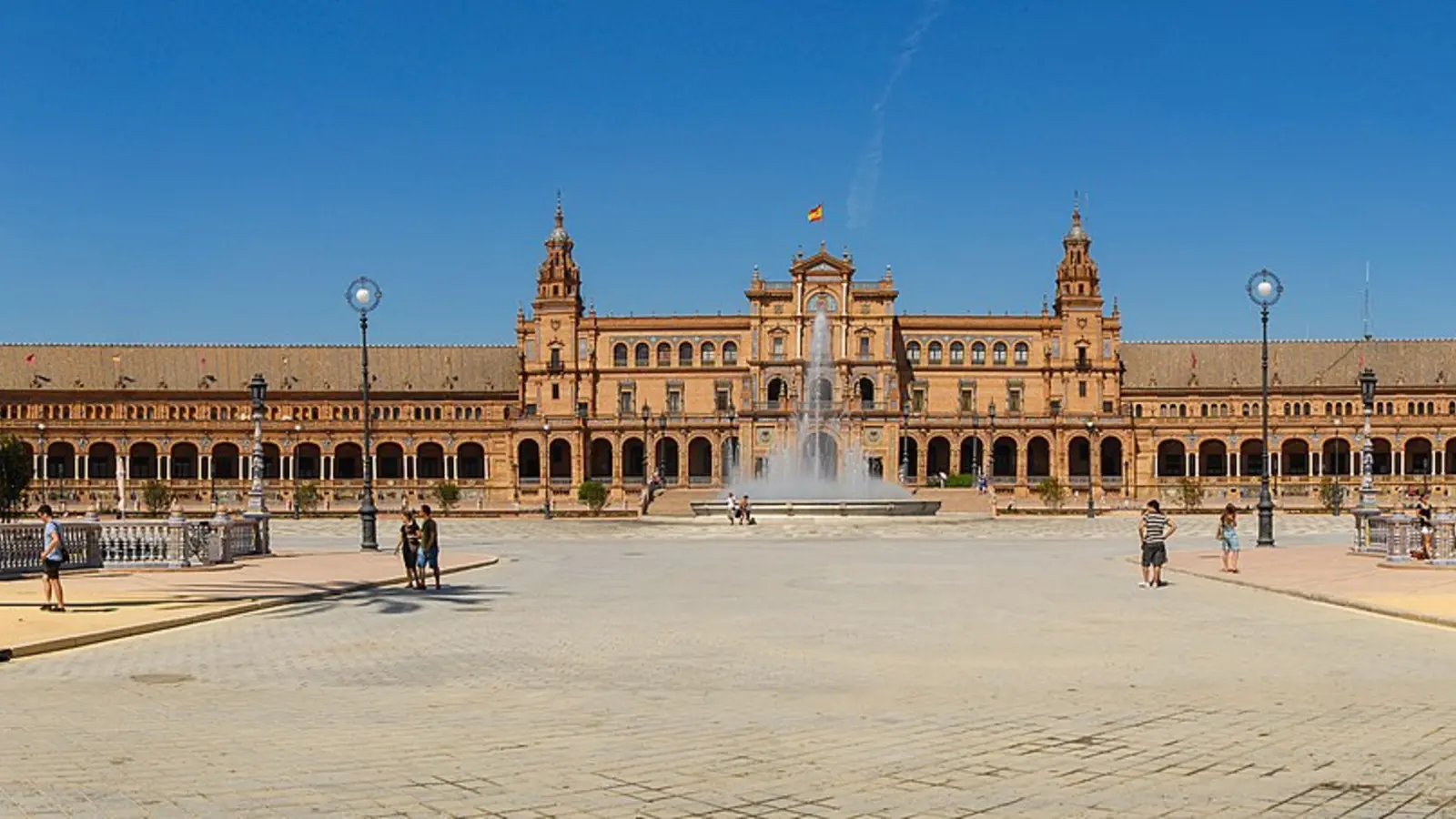
The real question is rarely "which country is better," because both are genuinely excellent. It's "which one fits the trip I'm about to take." A first-timer with ten days and a big-city, big-sights checklist is choosing something different from a couple who want warm water, cheap wine, and a slow pace. Spain is the larger, louder, more varied country: five or six world cities, wildly different regions, and a rail network you can plan a whole trip around. Portugal is smaller, softer, and cheaper, easy to cover in a single loop, with a coastline that outperforms its size. This guide runs them side by side on the seven things that actually decide the trip, then says plainly who each one wins. We have sent enough travelers both ways to know the honest answer comes down to your trip, not the country.
The case for Portugal
Portugal is the value play of Western Europe. Daily costs run roughly 20–30% below Spain and 30–40% below France or Italy, per Budget Your Trip and Numbeo, and the whole country fits a tidy Lisbon–Sintra–Porto–Algarve loop with short transfers. It rewards travelers who want a lot of coast, a lot of food, and a slower rhythm without paying Mediterranean-headline prices. The catch in 2026 is that the secret is out: Portugal is on track for record tourism this year, with arrivals up sharply year on year per Statistics Portugal (INE) reporting, and Lisbon, Porto, and the Algarve now feel properly crowded in high summer.
- Cheapest major country in Western Europe, roughly €60–70 a day lean, ~€120–160 mid-range
- Compact: Lisbon, Sintra, Porto, and the Algarve link in one easy loop with short hops
- The Algarve packs Europe's best-value warm-water beaches into a small stretch of coast
- Douro Valley, Port, and Vinho Verde deliver serious wine at low prices
- English is widely spoken and the pace is calmer than most of Spain's big cities
- Far less variety than Spain, one language region, no true world megacity
- Lisbon, Porto, and the Algarve are crowded and pricey in July–August
- Public transport beyond the Lisbon–Porto spine is thin, a car helps in the interior
- Atlantic water is cooler and rougher than the Spanish Mediterranean
- Big-ticket sights are fewer, this is a country you feel more than you tick off
The case for Spain
Spain is the heavyweight: a country you could visit five times and barely repeat yourself. Barcelona, Madrid, Seville, Granada, Valencia, and San Sebastian are each worth a trip on their own, the AVE high-speed network links them in a few hours, and the regions swing from green Atlantic north to desert-dry Andalusia. It costs a little more than Portugal, budget days land around €70–85 and mid-range €120–150 per Budget Your Trip, but it buys far more range. Spain also sits at the center of Europe's 2026 overtourism story: arrivals are up sharply, and Barcelona, the Balearics, and the Canaries are actively managing crowds with new taxes and rules, per Turespaña and national reporting.
- Unmatched variety, five or six world-class cities and radically different regions
- The AVE high-speed rail network makes multi-city trips fast and simple
- Deeper food and wine culture, tapas, Rioja, Ribera del Duero, Cava, sherry
- Warmer, calmer Mediterranean water on the east and south coasts
- Islands (Balearics, Canaries) add year-round beach options Portugal can't match
- Costs run ~20–30% above Portugal, and Barcelona and the islands more still
- Overtourism is worst here, Barcelona and the Balearics feel it hardest
- Bigger country means more internal travel time and planning
- Peak-summer heat inland (Madrid, Seville) regularly tops 40°C
- The best of it is spread out, you can't see Spain properly in a short trip
Head to head
Seven categories that decide most Iberia trips, scored on how each country actually performs for a typical 2026 visitor rather than on reputation. Costs are per person per day, excluding flights, drawing on Budget Your Trip benchmarks.
| Category | Portugal | Spain | Edge |
|---|---|---|---|
| Daily cost | ~€60–70 lean, €120–160 mid | ~€70–85 lean, €120–150 mid | Portugal |
| Food & wine | Great value, Port & Douro, seafood | Deeper range, tapas, Rioja, sherry | Spain |
| Beaches | Algarve, dramatic but cooler Atlantic | Med + Balearics + Canaries, warmer | Spain (Portugal by value) |
| Cities | Lisbon & Porto, characterful, compact | Barcelona, Madrid, Seville, Granada | Spain |
| Getting around | Compact loop, thin outside the spine | AVE high-speed rail nationwide | Spain |
| When to go | Apr–Jun, Sep–Oct; mild winters | Apr–Jun, Sep; brutal inland Aug | Even |
| Crowds | Heavy in Lisbon/Algarve summer | Worse: Barcelona, Balearics, Canaries | Portugal |
Daily cost
Portugal wins outright, and it isn't especially close. A lean backpacker day runs around €60–70, and you should budget about €120–160 for a comfortable mid-range day, while the same trip in Spain lands about 20–30% higher once you factor in city hotels and dining. The gap widens in the honeypots: a night in central Lisbon still undercuts central Barcelona, and Portugal's restaurant and grocery prices sit lower across the board. Spain narrows the gap in its smaller inland cities, where a menú del día of three courses with wine runs €12–18, but Portugal's floor is simply lower. For a value-first trip, this is the most compelling argument in the whole comparison. See our cheapest-countries ranking for where both sit against the rest of Europe.
Food and wine
Spain has the deeper bench. Tapas culture, regional cooking that changes every few hundred kilometers, and a wine map running from Rioja and Ribera del Duero to Cava and Jerez sherry give it more range than any single country on the continent. Portugal counters with extraordinary value and a few genuine heavyweights: fresh Atlantic seafood, the pastéis de nata worth the hype, and a wine story, Port, Douro reds, and crisp Vinho Verde, that punches far above the prices on the list. Put simply, Spain offers more variety per trip; Portugal offers more quality per euro. If eating and drinking widely is the point of the trip, Spain edges it. If you want serious wine without a serious bill, Portugal is hard to beat.
Spain gives you more variety per trip. Portugal gives you more quality per euro. Which matters more is the whole decision.
Beaches
This one splits on what you want the water to do. Portugal's Algarve is spectacular, golden cliffs, hidden coves, and long stretches of sand packed into a short, easy-to-tour coast, and it's cheaper than almost any comparable Mediterranean strip. But it faces the Atlantic, so the water is cooler and the surf rougher, better for dramatic scenery and surfing than for drifting in warm shallows. Spain answers with sheer quantity and warmer seas: the Costa Brava and Costa del Sol, plus the Balearics (Mallorca, Menorca, Ibiza, Formentera) and the year-round Canaries, which have no Portuguese equivalent. For warm, calm swimming and island variety, Spain takes it; for cliff-backed drama at a lower price, the Algarve is the better single stretch of coast in Iberia.
Cities
Spain's depth decides this. Barcelona and Madrid are true world cities, and behind them sit Seville, Granada, Valencia, and San Sebastian, each with a distinct identity and a full trip's worth of things to do. Portugal's two, Lisbon and Porto, are wonderful, compact, atmospheric, and easy to walk, but there are two of them, not six. Where Portugal claws back points is legibility: you can "do" its cities without the internal-travel overhead that a proper Spanish city tour demands. Both countries also rate among Europe's easiest and safest to navigate alone, with Lisbon and Seville especially warm to first-time solo visitors, though summer crowds in either can wear thin fast, so build in quiet mornings.
Getting around
Spain's rail network is the practical trump card. The AVE high-speed system links Madrid, Barcelona, Seville, Valencia, and more at up to 310 km/h, so a multi-city itinerary is fast, comfortable, and needs no car, per Renfe. Portugal has a solid Lisbon–Porto rail spine and good regional buses, but coverage thins in the interior and Alentejo, where a rental car earns its keep. The upside is that Portugal is small enough that the gaps rarely cost much time. The two are also linked: the Celta train runs Porto–Vigo if you want to combine both countries, though the cross-border rail map is thinner than either domestic network, so cross-check live timetables straight from Renfe and CP if a through-trip is the plan.
When to go and crowds
The timing verdict is nearly identical: April–June and September are the clear window for both, warm days, open everything, and prices below the July–August peak. The split is at the extremes. Spain's interior, Madrid and Seville, regularly tops 40°C in high summer, which makes August punishing inland, while Portugal's Atlantic edge stays milder and its winters are soft enough for off-season city breaks. Crowds are where Portugal pulls ahead: 2026 has been a record year for both, with arrivals up roughly a fifth in Portugal and around a third in Spain per Turespaña and INE reporting, but the overtourism pressure is heaviest in Barcelona, the Balearics, and the Canaries. Portugal is crowded in its three hotspots; Spain is crowded across more of the map. If you're still weighing exactly which weeks to book, our best-time-to-visit guide breaks down how each month plays out across Iberia.
Choose Portugal if your trip is short, budget-led, or built around coast and wine at a low price, one easy loop, roughly 20–30% cheaper, and calmer outside its three hotspots. Choose Spain if you want range: multiple world cities, faster rail, warmer islands, and a deeper food scene, and you're willing to spend a bit more and dodge the worst of the crowds. The tie-breaker is trip length and appetite for variety: under a week or value-first, go Portugal; ten days or more chasing contrast, go Spain. And if you can't choose, the Porto–Vigo rail link makes a combined Iberia trip perfectly doable.
Frequently asked questions
Portugal is cheaper, by roughly 20–30% on a like-for-like trip. Lean backpacker days run around €60–70 in Portugal versus €70–85 in Spain, and mid-range days land near €120–160 against Spain's €120–150, with the gap widening in hotspots like Barcelona and the Balearics, drawing on Budget Your Trip. Spain narrows it in its smaller inland cities, where a three-course menú del día with wine costs €12–18, but Portugal's overall floor is lower. For a value-first trip, Portugal wins on price.
It depends on trip length. For a short trip of under a week, Portugal is easier to cover well, Lisbon, Sintra, Porto, and the Algarve link in one compact loop with short transfers. For ten days or more, Spain rewards you with far more variety: Barcelona, Madrid, Seville, and Granada, connected by fast AVE trains, plus warmer Mediterranean beaches and islands. First-timers who want a relaxed, coast-and-food trip tend to prefer Portugal; those chasing big cities and range prefer Spain.
It splits on what you want. Portugal's Algarve is the most dramatic stretch of coast in Iberia, golden cliffs and hidden coves at a lower price, but it faces the Atlantic, so the water is cooler and rougher. Spain offers warmer, calmer Mediterranean seas plus the Balearic and Canary islands, which Portugal has no equivalent for. For warm swimming and island variety, Spain takes it; for cliff-backed scenery at the best value, the Algarve is hard to beat.
April–June and September are the best window for both: warm weather, everything open, and prices below the July–August peak. The key difference is heat, Spain's interior (Madrid, Seville) regularly tops 40°C in high summer, making August punishing inland, while Portugal's Atlantic edge stays milder with soft winters good for off-season city breaks. Both had a record 2026, so booking ahead and avoiding the busiest hotspots (Barcelona, the Balearics, Lisbon, and the Algarve in peak weeks) matters more than usual.
Portugal for value, coast, and calm in a compact package; Spain for variety, cities, and warm-water islands with more to plan and more to spend. Pin down your travel dates with the best-time-to-visit guide, then read up on the winner in our Portugal travel guide or across the picks in best places to travel in 2026.